The Cult of Mithras.
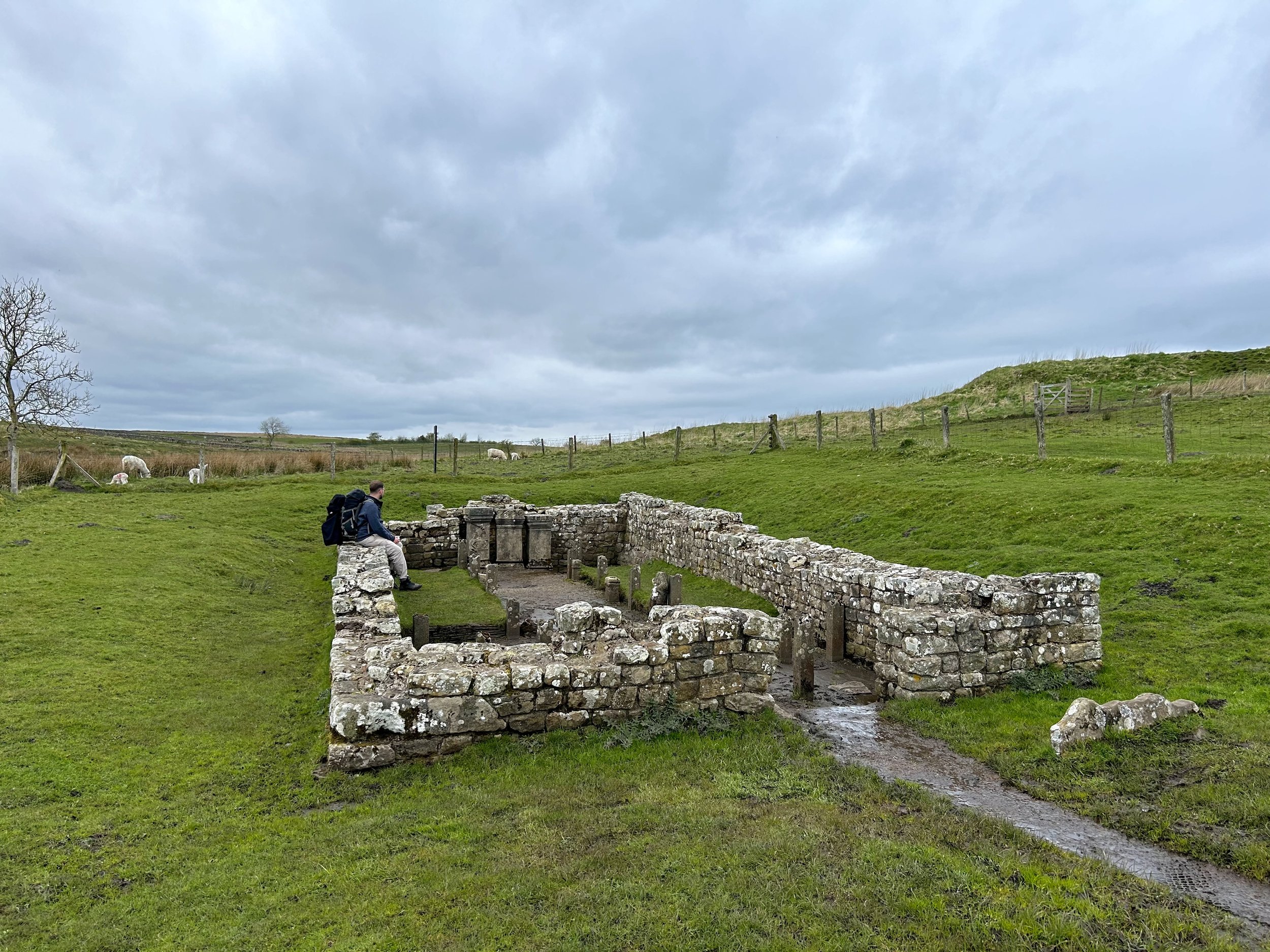
A deeply mysterious religious faction borne out of the eastern Roman Empire in the 1st Century and widely adopted throughout Roman territories by members of its military hierarchy.
Mithras’ cult found supplicants throughout all ranks of the Roman armies, each member being awarded one of seven levels within its organisation, the raven being the lowest. Initiations were required in order to progress through each rank with the highest being the station of the father.
Due to his status as a soldiers god, Mithraic temples have been discovered throughout the empire, most predominantly in border cities and towns such as Cologne (Colonia), Strasbourg (Argentoratum), and on the banks of the Euphrates in Syria (Duro-Europos). These temples were sunk below the ground in order to resemble the cave in which Mithras sacrificed the bull to create the world, but also to give the cult its renowned secrecy.
One temple was discovered buried beneath the streets of the City of London (Londinium). This temple was unearthed in 1954 by developers and can today be visited on its original site, reconstructed to invoke the original hallowed hall of its cave like interior.
Another more barbarous example can be found right at the limits of Roman influence on Hadrians Wall, where some of the thousands of Legionary and Auxiliary forces stationed there would have invoked the favour of their Lord to give them strength and protection in their defence of this frontier from the ever present enemy to the snow capped north.
Strangely enough Mithras shares many similarities with another deity adopted by the Roman’s and spread throughout their lands. Jesus and Mithras were both born on December 25th to a virgin, referred to as the ‘light bringer’, had 12 disciples and were resurrected from death. Perhaps further evidence of early Christian leaders’ propensity to borrow from already established religions to ease adoption throughout the empire.
